Tucked away behind the stomach is an organ called the pancreas which produces insulin. The pancreas is an organ behind the stomach that is the main source of insulin in the body.

2 Regulation Of Blood Glucose Levels By Insulin And Glucagon When Download Scientific Diagram
Nikkinadu nikkinadu 12032019 Biology Secondary School.

How is insulin regulated in the body. The release of insulin is tightly regulated in healthy people in order to balance food intake and the metabolic needs of the body. Many of the bodys cells rely on insulin to take glucose from the blood for energy. How Glucose Levels are Regulated in the Blood Stream Insulin and glucagon are like our yin and yang in regards to blood sugar levels.
Insulin production is regulated based on blood sugar levels and other hormones in the body. Your body makes and releases insulin in a feedback loop based on your blood sugar level. Get the answers you need now.
Insulin a hormone secreted by the pancreas controls blood sugar levels in the body. During the past decade acute insulin action in the CNS has been reported to regulate whole-body metabolic function. Both are produced by the pancreatic islets the endocrine portion of the pancreas.
Insulin is a hormone which plays a number of roles in the bodys metabolism. It releases insulin to control the level of glucose in your blood. Insulin allows the cells in the muscles fat and liver to absorb.
Thus insulin in the brain appears to be important for the regulation of feeding behavior and monitoring energy stores. Many of the bodys cells rely on insulin to take glucose from the blood for energy. Insulin regulates how the body uses and stores glucose and fat.
During a low-glucose state PDX1 pancreatic and duodenal homeobox protein 1 is located in the nuclear periphery as a result of interaction with HDAC1 and 2 which results in downregulation of insulin secretion. Insulin and blood glucose levels. Insulin is made by the beta cells in the pancreatic islets.
Insulin and blood glucose levels Insulin helps control blood glucose levels by signaling the liver and muscle and fat cells to take in glucose. It travels from the pancreas to the liver in the bloodstream. It attaches to the insulin receptors on cells throughout the body instructing the cells to open up and grant entry to glucose.
The primary physiological variable which controls insulin release from beta cells is the concentration of blood glucose. How is the secretion of insulin regulated in the body. In a healthy individual insulin production and release is a tightly regulated process allowing the body to balance its metabolic needs.
What does insulin do. Insulin regulates how the body uses and stores glucose and fat. Insulin is mainly regulated through the transcription factors PDX1 NeuroD1 and MafA.
Clusters of cells in the pancreas called islets produce. However a variety of hormones can modulate beta cell-mediated release of insulin allowing fine-tuning of insulin levels to. This is a complex process and other hormones found in the gut and pancreas also contribute to this blood glucose regulation.
As with other responses controlled by hormones the response is slower but longer lasting than if it had been controlled by the nervous system.
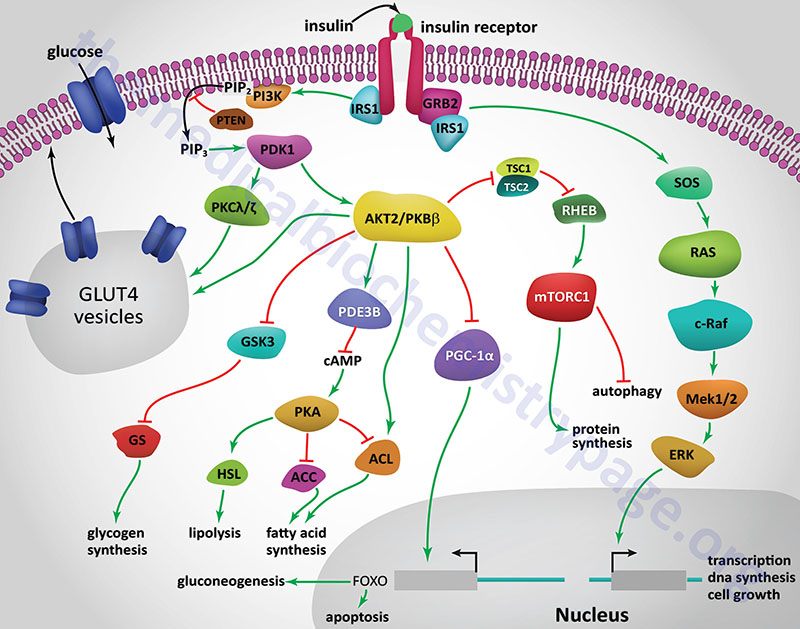
Insulin Function Insulin Resistance And Food Intake Control Of Secretion The Medical Biochemistry Page
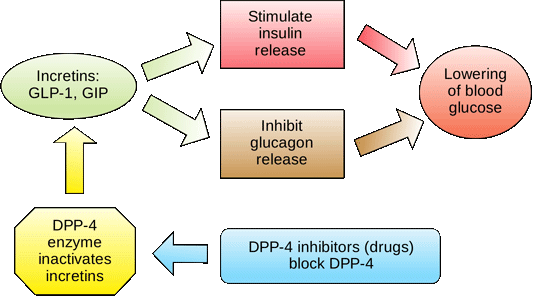
4 Regulation Of Blood Glucose Atrain Education